A weaker side
The operated leg often stays weaker than the other long after daily life feels normal. You notice it on stairs, hills, and getting up from the floor.

Home / After joint replacement
Physical therapy gets you walking again. We help with the year after: closing the strength gap, rebuilding control of the new joint, and trusting it under load — always inside your surgeon’s precautions.
Who this is for
Most people we see are six months to a few years past surgery. The joint is healed. What's left is strength, control and confidence — the part post-operative rehab rarely has the visits to finish.
The operated leg often stays weaker than the other long after daily life feels normal. You notice it on stairs, hills, and getting up from the floor.
The joint moves further than you can actively hold or load. That gap is where hesitation lives.
Years of favoring the bad side before surgery leave habits behind. The other hip, the other knee or the low back ends up doing extra work.
How we approach it
Same method we use for everyone, adjusted around your surgery and your surgeon's guidance.
We measure what each hip, knee and ankle can actively do, comparing the operated side with the other and with the joints above and below.
Some replacements come with movement precautions or long-term activity limits from your surgeon. Bring them in writing; we program well inside them.
Slow, deliberate joint work through the range you own, then gradually expanding what you can control.
Progressive strength work, much of it one leg at a time so the stronger side can't take over. Re-measured every few weeks.
IMS is coaching, not physical therapy. We don't diagnose, treat, or replace your surgeon or physical therapist, and we don't start anyone who hasn't been cleared for exercise. If something in your assessment needs medical attention, we'll tell you plainly and send you back to your provider.
New or increasing pain, swelling, warmth or redness around the joint, fever, or a feeling of instability are reasons to call your surgeon — not to train through.
Want the longer version? Read what physical therapy doesn’t finish.
In their words
5.0 across 59 Google reviews. Excerpts copied as written.
I see Jason to help me 2 years out after total hip replacement. He’s excellent at identifying the mobility issues and developing training and stretching for my issues.
I have been training with Jason Patterson at Innovative Movement Solutions for about a month and a half for issues related to a total knee replacement 28 months ago.
I had a muscle and joint issue that was affecting my daily life — sleep, exercise, everything. Jason quickly identified what was happening movement-wise and within weeks I was back to my normal routine.
Start here
A joint-by-joint assessment of both sides and a straight answer on what a program would address. If you should see your surgeon or PT first, you’ll hear that too.
Common questions
Most clients start after they have finished post-operative physical therapy and their surgeon has cleared them for exercise. That timing is your surgeon’s call, not ours.
No referral is needed for coaching. We do ask that you have clearance for exercise and that you bring any written precautions from your surgeon.
No. IMS provides coaching and movement education. We don’t diagnose or treat medical conditions. Many clients come to us after PT ends to keep building strength and control.
IMS doesn’t bill insurance. On request we can provide a detailed receipt you can submit to your plan; whether anything is reimbursed depends entirely on your plan.
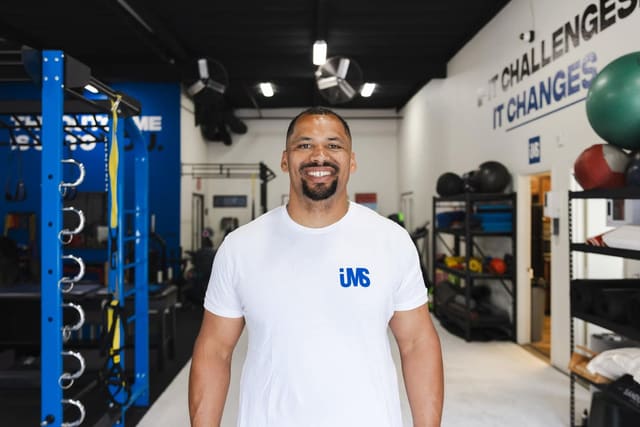
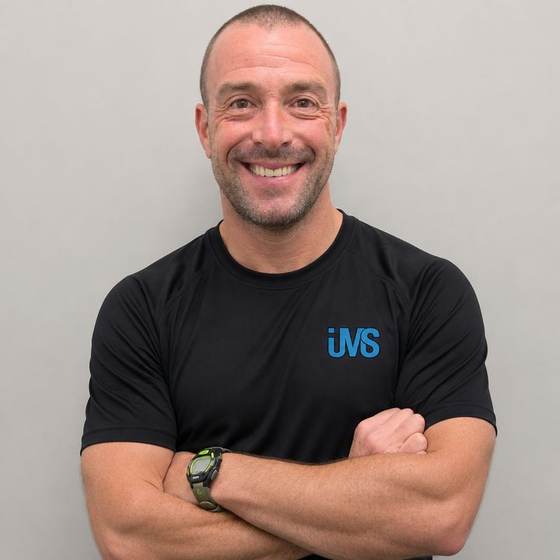
Jason Patterson typically takes the most complex joint cases. Frank Pucher works with clients of all backgrounds. Whoever you start with coaches every session. Frank has a few openings for new clients right now, and Jason takes a limited number of new clients each month.